
Bilingual Websites for Costa Rica Tourism Businesses: Why English & Spanish Both Matter
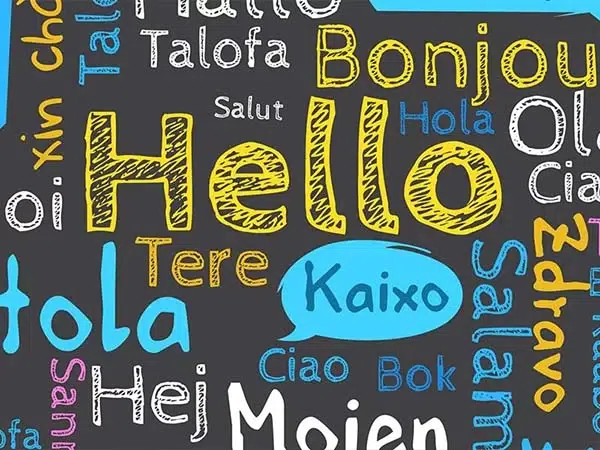
Costa Rica’s tourism and hospitality economy serves two very different audiences at once: international travelers searching in English, and the local Costa Rican and broader Latin American market searching in Spanish. A website built in only one language is, by definition, invisible to half of its potential customers — and that’s before considering how search engines treat language in rankings.
Here’s why a properly built bilingual website matters more than a quick Google Translate widget, and what “doing it right” actually looks like.
Google Translate widgets aren’t the same as a real bilingual site
Many business owners assume adding a translate button solves the language problem. It doesn’t — at least not for SEO. Auto-translate widgets convert the page in the visitor’s browser, but search engines generally can’t index that translated content as separate pages. That means your Spanish-speaking audience may never find you in Google at all, because there’s no real Spanish version of your site for Google to rank. True bilingual SEO requires actual separate pages — typically at URLs like /es/ — with human-reviewed Spanish content, their own meta titles and descriptions, and their own keyword targeting.
English and Spanish searchers use different keywords entirely
A direct translation often misses how people actually search. An American traveler might search “Jaco surf lessons,” while a Costa Rican or Mexican visitor searching in Spanish is more likely to type “clases de surf en Jacó” or “lecciones de surf Costa Rica” — not a literal translation of the English phrase. Effective bilingual websites are built around keyword research done separately in each language, not a single list translated word-for-word.
Two audiences, two sets of expectations
Beyond language, English and Spanish-speaking visitors often arrive with different questions. International travelers typically want to know about logistics: how to get there, what to bring, pricing in dollars, safety. Local and regional visitors may already know the area and want different information: group rates, local payment options, seasonal promotions. A thoughtful bilingual site adapts content, not just vocabulary, for each audience.
A language switcher is only useful if it’s easy to find
Simple details make a real difference in usability: a clearly visible language switcher in the header (not buried in a footer), content that stays consistent in structure between languages so returning visitors aren’t confused, and consistent URL patterns so each language version can be bookmarked, shared, and linked to directly.
Bilingual sites also widen your Google Ads and local SEO reach
A properly structured bilingual website opens the door to running Google Ads campaigns in both languages, targeting different search terms and audiences separately, and improving local SEO visibility in two languages at once — all of which can meaningfully expand the pool of travelers who find a business in the first place.
Building a true bilingual website takes more planning than flipping a translation switch, but for tourism and hospitality businesses serving both international and local markets, it’s often one of the highest-leverage investments a website can make. Pacific Web Design builds custom bilingual WordPress websites for Costa Rica businesses, with real Spanish and English pages structured for search from day one. Visit pacificwebcr.com to talk about building (or rebuilding) your site the right way.

Get our discount with Adobe Rent-A-Car in Costa Rica


